Table of Contents (12 sections)
When it comes to ensuring that your furry friend is both safe and well-mannered, mastering essential dog training commands is vital. Utilizing effective dog training commands not only enhances communication between you and your dog but also lays the foundation for a harmonious household. In this guide, we will delve into several critical commands that every dog owner should teach their dogs.
1. Sit
The "Sit" command is one of the most fundamental commands you can teach your dog. It serves as a great starting point for learning more complex commands and is particularly useful in everyday situations. To train your dog to sit, follow these steps:
- Leash your dog in a quiet environment with minimal distractions.
- Hold a treat close to your dog’s nose, and then lift it upwards. This will encourage your dog to lift its head and lower its rear.
- Once the dog sits, say “Sit!” and immediately reward it with the treat and praise.
- Repeat this process several times, gradually increasing the duration before rewarding them.
According to a study from the American Kennel Club, teaching commands such as "Sit" not only helps in managing your dog's behavior but strengthens the bond between the dog and owner.
2. Stay
The “Stay” command is essential for the safety of your dog. It teaches your dog to remain in place until you give another command. Here's a simple method to teach this command:
- Begin with your dog in a sitting position near you.
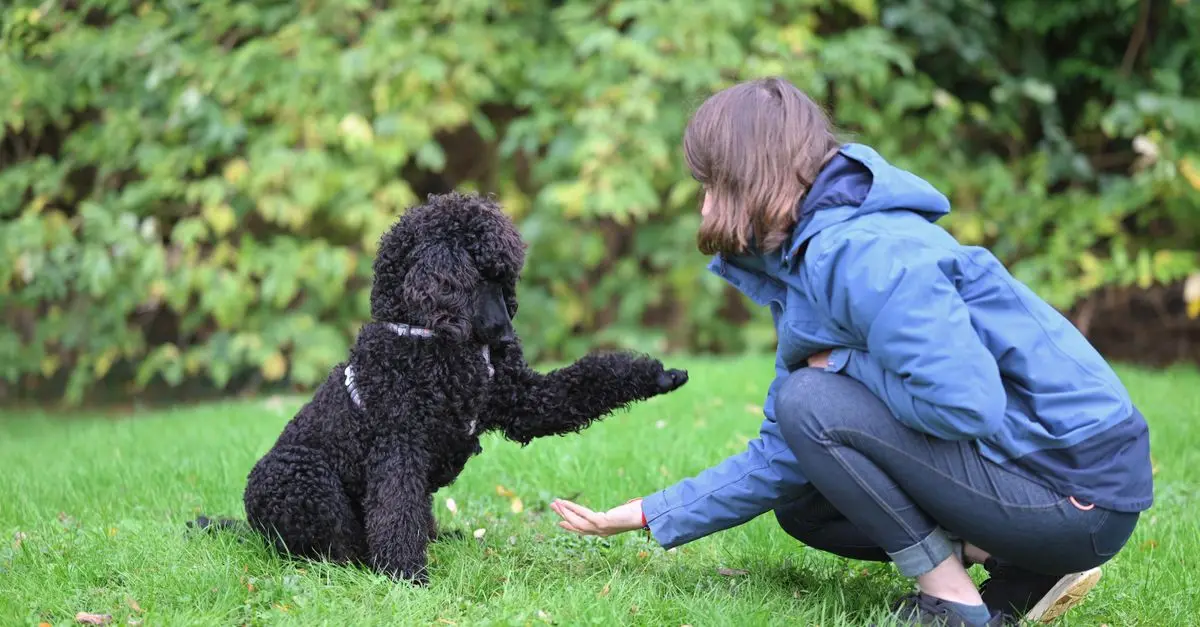
- Open your palm in front of you and say “Stay.”
- Take a few steps back. If your dog remains in place, return to it immediately and reward it.
- Gradually increase the distance and duration of the stay before giving the reward.
This command can prevent your dog from running into dangerous situations, showing it is a vital part of training. In fact, about 40% of dog owners report that their dogs follow the “Stay” command during walks, enhancing their safety outdoors.
3. Come
The “Come” command can potentially save your dog’s life. It’s crucial for getting your dog back to you in various situations, especially when it might be in danger. Follow these steps to teach “Come”:
- Start in a safe, enclosed area with your dog on a leash.
- Say your dog’s name, followed by “Come” in a cheerful tone.
- Once your dog approaches, reward it instantly with praise or treats.
- Repeat the process several times, gradually increasing the distance.
Training your dog to respond to “Come” can significantly reduce the chances of accidents and lost pets, which is not uncommon; it’s reported that 1 in 3 pets will be lost at some point.
4. Down
The “Down” command is another important command, especially for managing your dog's impulsiveness or excitement. Here’s how you can teach it:
- Start with your dog in a sit position.
- Hold a treat in front of your dog’s nose, then move it downwards to the floor. Your dog should follow the treat and lie down.
- As your dog lies down, say “Down!” and reward it.
- Practice this command regularly until your dog can perform it without the treat.
This command is particularly useful during gatherings to help keep your dog calm. It has been noted that dogs that know “Down” tend to be less excitable and easier to manage.
5. Leave It
Teaching your dog to “Leave It” is essential for their safety. This command helps prevent your dog from picking up potentially harmful items. Here’s how to train this:
- Place a treat in both hands. Show one fist, with the treat, to your dog.
- When your dog tries to get it, say “Leave it.”
- Wait until they stop trying and then give them the treat from your other hand.
- Repeat the process. Eventually, your dog will learn to leave items alone when instructed.
About 20% of dogs suffer from food poisoning due to consuming harmful substances; hence, teaching this command can significantly reduce that risk.
6. Heel
The command “Heel” ensures that your dog walks nicely beside you during walks. Here's how to teach it:
- Start with your dog on a leash, with you standing still.
- Say “Heel,” and start walking.
- If your dog pulls, gently pull them back and remind them to “Heel” as you continue walking.
- Reward whenever your dog walks closely beside you.
This command is particularly beneficial for leash training, making walks more enjoyable and less stressful. Statistics show that over 50% of dog owners struggle with leash pulling, indicating the necessity for this command.
7. Off
The “Off” command is essential for preventing unwanted behaviors, such as jumping on people or the furniture. To teach this:
- When your dog jumps, calmly say “Off,” and encourage them to sit.
- If they obey, reward them immediately.
- Repeat this, reinforcing the idea that elevating onto surfaces without permission is not acceptable.
Teaching “Off” is crucial when guests visit, as it sets boundaries to healthy behavior, which 80% of dog owners deem necessary.
8. Wait
“Wait” is a command that can help manage your dog's impulse control. To teach this:
- Ask your dog to sit in front of you.
- Open your hand in a stop gesture and say “Wait.”
- Step back slowly and check if your dog remains in place. If they do, reward them after a few seconds.
- Gradually increase the distance and time of the wait.
Using the “Wait” command in high-traffic areas can prevent accidents, ensuring your dog is aware and calm when necessary.
📺 Resource Video
> 📺 For further learning: How to Teach Essential Dog Commands, a comprehensive guide to keep your dog well-behaved. Search on YouTube: "essential dog training commands 2026"
Glossary
| Term | Definition |
|---|---|
| Command | A verbal or physical cue given to a dog for a specific action. |
| Reinforcement | Positive feedback given to a dog for obeying commands, such as treats or praise. |
| Impulse Control | A dog’s ability to resist temptations or distractions, necessary for good behavior. |
Checklist Before Training
- [ ] Identify key commands to teach.
- [ ] Purchase appropriate treats for reinforcement.
- [ ] Choose a distraction-free environment.
- [ ] Set up a regular training schedule.
- [ ] Practice commands consistently.
In conclusion, teaching your dog essential commands can greatly enhance both communication and safety. Each command provides your dog with better life skills, ensuring they are responsive and well-behaved. Start implementing these commands today and enjoy a more harmonious relationship with your furry companion.