Table of Contents (14 sections)
Training your pet is not just about obedience; it's a way to build a deeper relationship with your furry companion. Understanding how to train your pet effectively can help improve their behavior and enhance your bond. Whether you're welcoming a new pet into your home or trying to modify an existing behavior, knowing the right training techniques is essential. In this article, we'll explore the top 10 pet training techniques every pet owner should know.
1. Positive Reinforcement
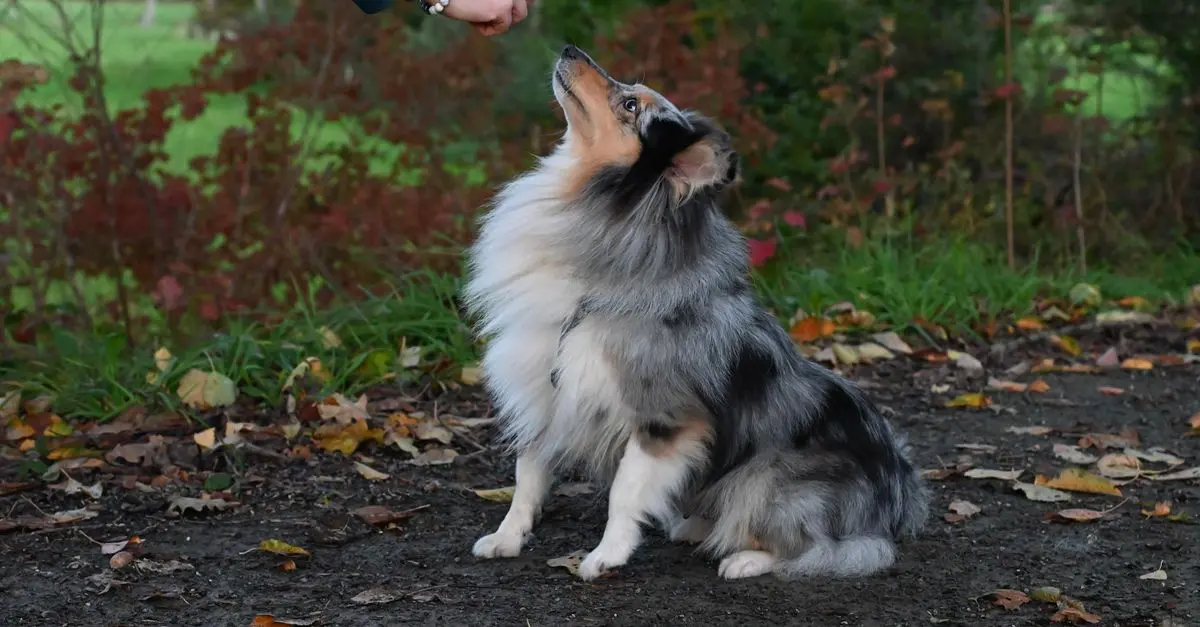
Positive reinforcement is one of the most effective training methods. It involves rewarding good behavior to encourage repetition. Examples of rewards include treats, praise, or playtime. This technique not only teaches your pet what behavior is expected but also strengthens your bond. A study by PetSmart showed that positive reinforcement was preferred by 90% of trainers. To implement this, start with simple commands like "sit" or "stay" and reward your pet every time they comply. The practice of positive reinforcement helps your pet learn to associate good actions with positive outcomes.
2. Consistency is Key
Consistency in training is crucial for success. This means using the same commands and signals every time you train your pet. Inconsistency can confuse them and lead to frustration. For instance, if you use "come" one day and "here" the next, your pet won't understand what you expect. Create a training schedule and stick to it. According to research by The American Kennel Club, consistent training sessions significantly improve your pet's responsiveness to commands.


3. Socialization
Socializing your pet is indispensable during their formative years. Gradually exposing them to various environments, people, and other animals helps reduce fear and anxiety. A well-socialized pet is typically more confident and well-adjusted. Introduce new experiences slowly and reward your pet for calm behavior. Veterinary Behaviorists recommend socializing puppies between 3 to 14 weeks for optimal results.
4. Clicker Training
Clicker training is a popular method that employs a sound (the clicker) to mark desired behavior. Once your pet performs the desired action, you immediately click and reward them. The distinct sound helps pets understand what behavior is being rewarded. This technique can speed up the learning process. Research from The University of Pennsylvania indicates that clicker training enhances retention rates in pets, making it an excellent tool for deepening your training sessions.
5. Leash Training
Leash training is essential for every pet owner, especially dog owners. Teaching your dog to walk on a loose leash not only makes walks enjoyable but also ensures their safety. Start practicing indoors or in a quiet space before venturing outside. If your dog pulls, stop walking until they return beside you. When they do, reward them. The ASPCA suggests persistent training will yield better results, emphasizing the importance of patience and perseverance during the process.
6. Basic Commands
Teaching your pet basic commands like "sit," "stay," "come," and "down" can greatly enhance their behavior and your communication. Basic commands serve as the foundation for more complex commands and tricks. Set realistic goals for your training sessions; short, frequent training intervals work best. Pet trainers recommend practicing these commands daily for a few minutes to reinforce learning. Most pets will thrive on the routine and enjoy the time spent with their owners.
7. Addressing Behavioral Issues
If your pet exhibits problematic behaviors like excessive barking or chewing, it's essential to address these issues directly. Identify the root cause—boredom, stress, or lack of exercise. Once you determine the cause, tailor your training strategies to mitigate these behaviors. For example, providing more mental stimulation through puzzles or toys may alleviate boredom. According to the Association of Professional Dog Trainers, addressing issues early on can prevent more significant problems down the road.
8. Patience and Understanding
Training takes time and may require a lot of patience. Recognize that every pet learns at their own pace. If things aren't progressing as expected, take a step back. Is your technique working? Could adjustments improve the situation? By understanding your pet's needs better, you will develop a more profound bond over time. Remember that frustration in training often stems from communication barriers.
9. Use of Training Aids
Training aids like special collars, head halters, and harnesses can be quite helpful in your training efforts. These tools assist in correcting undesired behavior without physical punishment, promoting a more positive training environment. Always ensure that any training aid used is designed for comfort and safety.
10. Seek Professional Help
If you're struggling with your training efforts, consider enlisting a professional trainer. A certified trainer can offer personalized strategies to address specific issues unique to your pet. Training classes can also provide beneficial socialization opportunities for your pet. The Pet Professional Guild emphasizes finding a trainer experienced in positive reinforcement techniques.
📺 For further reading:
Consider watching a video on effective pet training techniques. Search for "top pet training techniques 2026" on YouTube for expert insights.
Checklist before you start training:
- [ ] Ensure a distraction-free environment.
- [ ] Gather all necessary training rewards.
- [ ] Set clear, realistic goals.
- [ ] Monitor your pet's progress daily.
- [ ] Remain patient throughout the training process.
Glossary
| Term | Definition |
|---|---|
| Positive Reinforcement | Rewarding desired behavior to encourage its recurrence. |
| Socialization | Exposing your pet to various experiences to reduce anxiety. |
| Clicker Training | A training technique that uses a click sound to mark desired behaviors. |
> 🧠 Quick Quiz: What is the principle of positive reinforcement?
> - A) Punishing bad behavior
> - B) Rewarding good behavior
> - C) Ignoring bad behavior
> Answer: B — Rewarding good behavior encourages pets to repeat good actions.
📺 Pour aller plus loin : top pet training techniques 2026 sur YouTube
Recommended products
Selected by our experts
Gants zootechniques El.Cm85 50Pcs
DocMorris FR (ex DoctiPharma FR)
These zootechnical gloves are perfect for handling pets safely during training, ensuring both you and your pet are comfortable.
Eponge d'application Real Techniques 1pc
DocMorris FR (ex DoctiPharma FR)
An essential applicator sponge for rewarding your pet with treats effectively during training sessions.
Real Techniques Double Finish Sponge 1pc
DocMorris FR (ex DoctiPharma FR)
This double-finish sponge is handy for applying treats in different manners during training, enhancing the experience.