Table of Contents (16 sections)
Wellness checkups are crucial to maintaining your pet's overall health. Regular veterinary visits help prevent health problems, catching them before they escalate into serious issues. Understanding the importance of these checkups can lead to a longer, healthier life for your beloved animal companion.
Understanding Pet Wellness Checkups
What is a Pet Wellness Checkup?
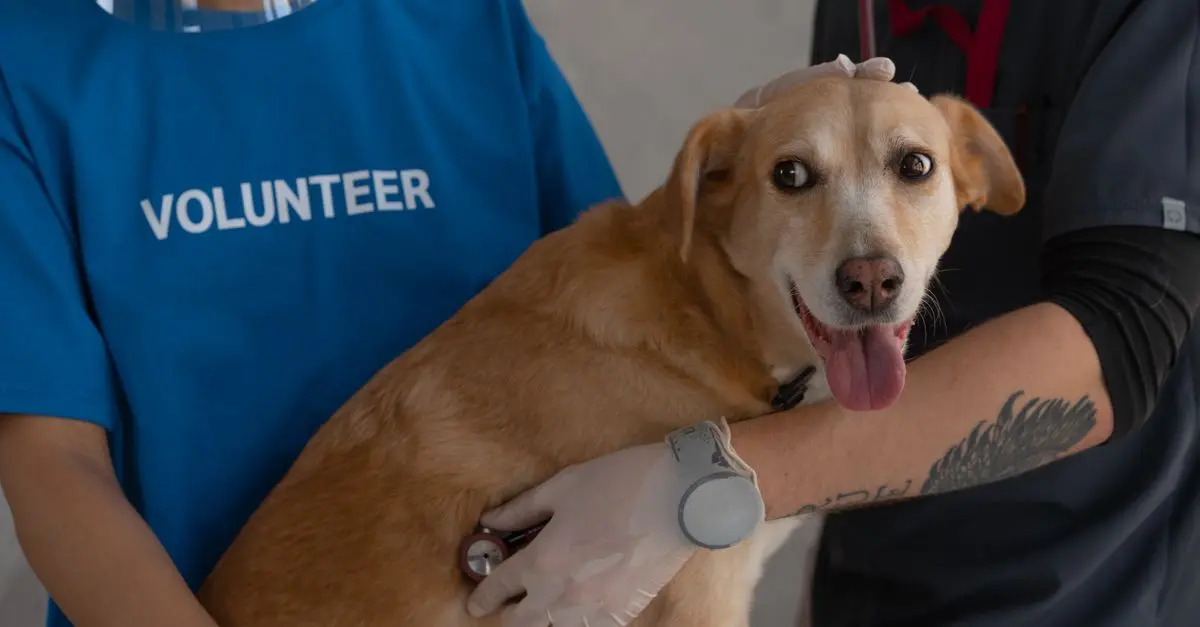
A pet wellness checkup is a routine examination performed by a veterinarian to assess your pet's health. These checkups typically include a physical exam, vaccinations, dental check-ups, and sometimes blood tests. The primary goal is preventive care to ensure that your furry friend remains in optimal health.
According to the American Veterinary Medical Association (AVMA), annual checkups can decrease long-term veterinary costs by addressing potential health issues early. For pets over seven years old, biannual visits are recommended due to their increased risk of age-related conditions. This proactive approach can lead to timely intervention, possibly saving lives.
Why are Wellness Checkups Important?
Wellness checkups play a critical role in identifying health issues that may not be immediately visible at home. During these visits, veterinarians can catch early signs of disorders such as diabetes or kidney disease. For pet owners, understanding these signs is vital. For example:
- Weight Monitoring: Dramatic changes in weight can indicate underlying health problems.
- Dental Health: Bad breath is often a sign of dental disease, which can affect overall health.
- Skin Conditions: Skin allergies or infections can be diagnosed during a checkup.
Ultimately, regular checkups provide peace of mind and ensure your pet receives preventive care tailored to their specific needs.
How to Prepare for Your Pet's Wellness Checkup
Step 1: Schedule the Appointment
The first step in preparing for your pet's wellness checkup is to schedule an appointment with your trusted veterinarian. This can often be done through the clinic's website or by calling their office. Ensure you choose a time when you can be relaxed—no rushing! If your pet is anxious about vet visits, consider scheduling the appointment during quieter hours. This can help reduce stress for both you and your pet.
Step 2: Gather Medical Records
Before the checkup, it's essential to gather your pet's medical history. This includes vaccination records, any medications currently being taken, and previous health issues. If you're visiting a new veterinarian, provide these records in advance to ensure continuity of care. Maintaining accurate records can help the veterinarian make informed decisions about your pet's health.
Step 3: Prepare Your Pet
Preparing your pet for the visit is crucial. Start by getting your pet accustomed to getting into a crate or carrier if needed. Short, positive trips in the car can help reduce anxiety when traveling to the vet. Also, make sure your pet is up to date on any vaccines or treatments that may be due—this can prevent any delays during the checkup.
What to Expect During a Wellness Checkup
Step 4: The Examination
When you arrive for the appointment, your veterinarian will typically start with a general examination. This includes checking your pet's heart rate, breathing, temperature, and overall demeanor. Your vet will also check for any lumps, skin issues, or abnormalities in your pet's eyes, ears, and mouth.
It’s advisable to bring up any lingering health concerns or observations you may have noticed at home. For instance, if your dog has had changes in behavior or shows signs of discomfort, share these instances with the vet. Open communication ensures better diagnostics.
Step 5: Vaccination and Preventive Measures
During the checkup, your veterinarian will assess your pet's vaccination needs. Vaccines protect against numerous diseases, and your vet will recommend current vaccinations based on your pet’s age, health status, and lifestyle. For instance, high-risk pets that are often outdoors may need additional vaccines.
Additionally, preventive treatments like heartworm medication and flea and tick prevention will be discussed. According to the AVMA, these treatments are crucial for maintaining year-round health.
Step 6: Blood Tests and Diagnostics
Depending on your pet’s age and health status, the vet may recommend blood tests or other diagnostic procedures. These assessments can help identify hidden conditions, such as kidney or liver issues. Blood work is typically performed annually but may be recommended more frequently for older pets.
Step 7: Discuss Health and Nutrition
After the examination, your veterinarian will likely discuss your pet's nutrition and lifestyle. Professional advice on optimal diets tailored to age, breed, and health conditions can significantly impact your pet’s quality of life. Remember, adequate exercise is just as critical. You might discuss any lifestyle changes needed to keep your pet healthy.
Checklist before the Appointment
- [ ] Schedule the appointment at a convenient time.
- [ ] Gather all medical records and evidence of previous treatments.
- [ ] Prepare your pet for travel.
- [ ] Make a list of questions or concerns to discuss with the vet.
- [ ] Ensure your pet is well-fed and relaxed before the trip.
Glossary
| Term | Definition |
|---|---|
| Vaccination | Injection of a vaccine to stimulate immunity against diseases |
| Heartworm | A parasitic worm transmitted through mosquito bites that can affect the heart and lungs of pets |
| Preventive Care | Regular medical check-ups aimed at preventing disease rather than treating it |
📺 Resource Video
> 📺 For further insights: Understanding Pet Wellness Checkups: What to Expect, a comprehensive overview of the checkup process and tips for pet owners. Search on YouTube: "pet wellness checkups guide 2026".
🧠 Quick Quiz: What is the recommended frequency of wellness checkups for senior pets?
- A) Once a year
- B) Twice a year
- C) Every three months
Answer: B — Senior pets should have wellness checkups twice a year due to their increased health risks.
In summary, staying on top of your pet's wellness checkups ensures they lead a happy, healthy life. Regular visits not only catch potential health problems early but also provide opportunities for preventative care. Make sure to prioritize these checkups for the comfort and longevity of your furry friend. Plan your next visit today to secure the health of your beloved companion for years to come!
📺 Pour aller plus loin : pet wellness checkups guide 2026 sur YouTube