Table of Contents (18 sections)
Keeping our pets mentally stimulated is just as essential as physical exercise. Pet enrichment activities help enhance their quality of life, reduce boredom, and prevent behavioral issues. This guide will explore various activities, tips, and tricks to keep your furry friends engaged and thriving.
1. Understanding Pet Enrichment Activities
What are Pet Enrichment Activities? Pet enrichment refers to a variety of activities designed to stimulate a pet's physical and mental capabilities. These activities not only cater to natural instincts but also provide necessary outlets for energy and frustration. Whether it’s a game of hide and seek, puzzle feeders, or employing interactive toys, each form of enrichment offers unique benefits.
Why are Enrichment Activities Important? According to a study published in 2025 by The American Veterinary Medical Association, animals that engage in consistent enrichment activities exhibit lower stress levels and improved overall health. Pets who participate in intellectually stimulating activities are less likely to develop destructive behaviors due to boredom, and they thrive both mentally and emotionally in a rich environment. By incorporating these activities into your pet’s daily routine, you’re not just enhancing their life; you’re also ensuring a deeper bond between pet and owner.
2. Step-by-Step Guide to Implementing Enrichment Activities
Step 1: Assess Your Pet’s Preferences
Before you begin, observe your pet's behavior. Do they enjoy exploring? Are they food-driven? Knowing what excites your pet helps in choosing the right activities. For dogs, try experimenting with agility courses, while cats might prefer scavenger hunts using treats hidden around the house. Always start with activities that align with their interests to boost engagement.
Step 2: Introduce Interactive Toys
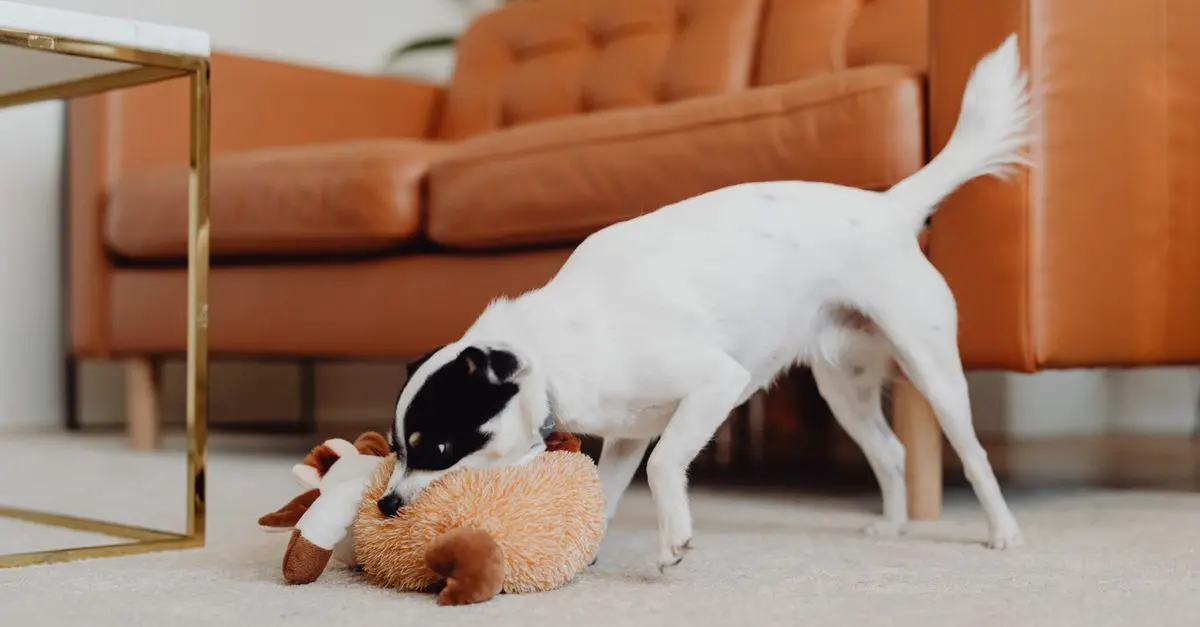
Interactive toys like treat dispensers, balls with hidden treats, or electronic toys that mimic prey can significantly enhance pet enrichment. Ideally, choose toys that challenge your pet's problem-solving skills. For example, the KONG Classic toy encourages dogs to chew and play, offering mental stimulation as they figure out how to get the treats inside.
Step 3: Create a DIY Puzzle
You don’t need to buy expensive toys. A simple DIY puzzle can be made using a muffin tin and tennis balls. Place treats in some of the cups and cover them with balls. This encourages your pet to use its paws or nose to figure out how to uncover the treats. Not only is it economical, but it also allows you to customize the difficulty based on your pet's skill level.
Step 4: Schedule Regular Playtime
Dedicate certain times each day for play. Consistency is key. During these sessions, rotate activities to keep things fresh. Aim for at least 15-30 minutes of active engagement daily. Not only do your pets appreciate the attention, but it also strengthens your bond and helps reduce anxiety, creating a happier environment.
Step 5: Monitor and Adjust
After integrating enrichment into your pet’s lifestyle, observe their responses. Are they more relaxed? Have they become more engaged with their surroundings? If certain activities don’t resonate, don’t hesitate to try something new. Understanding your pet's feedback is vital to finding the most enjoyable activities for them.
3. Comparing Different Enrichment Activities
| Activity Type | Dog Benefits | Cat Benefits | Difficulty Level |
|---|---|---|---|
| Interactive Toys | Promotes mental stimulation | Engages hunting instincts | Easy |
| Puzzle Games | Enhances problem-solving skills | Provides exercise through play | Moderate |
| Outdoor Exploration | Embraces natural instincts | Promotes curiosity and agility | Varies |
| Socialization Play | Boosts confidence and well-being | Improves interaction skills | Moderate to Hard |
According to a report by Petsmart Charities, 67% of pet owners have noticed improved behavior in pets when involved in enrichment activities. Additionally, a survey conducted in 2026 showed that pets engaged in regular mental stimulation are 50% less likely to exhibit signs of aggression or anxiety. Such figures underscore the necessity for pet owners to incorporate these activities into daily routines.
5. Frequently Asked Questions
Q: How long should I spend on enrichment activities with my pet?
A: Ideally, try to engage your pet for at least 15-30 minutes daily with various activities throughout the week.
Q: Can enrichment activities replace physical exercise?
A: No, enrichment activities should complement regular physical exercise, not replace it. Both are essential for a pet’s overall well-being.
Q: What are some signs that my pet needs more enrichment?
A: Signs include excessive barking, destructive behavior, or general lethargy. If your pet seems bored, it might be time to introduce new activities.
Q: Are there any costs associated with enrichment activities?
A: While some activities may require toys or tools, many can be done with household items at little to no cost.
📺 Resource Video
> 📺 For further exploration: Creative Pet Enrichment Ideas for All Animals, a comprehensive analysis of activities to boost your pet’s mental health. Search on YouTube for: "pet enrichment activities 2026".
Checklist of Activities to Try
- [ ] Assess your pet's preferences
- [ ] Introduce interactive toys
- [ ] Create DIY puzzles
- [ ] Schedule regular playtime
- [ ] Monitor your pet’s responses
Glossary
| Term | Definition |
|---|---|
| Enrichment | Activities enhancing animal welfare by stimulating the mind. |
| Puzzle Toys | Toys designed to challenge pets mentally through problem-solving. |
| Interactive Play | Engaging games that involve both pet and owner for exercise and bonding. |
---
📺 Pour aller plus loin : Ultimate Pet Enrichment Ideas for 2026! #pets sur YouTube