Table of Contents (8 sections)
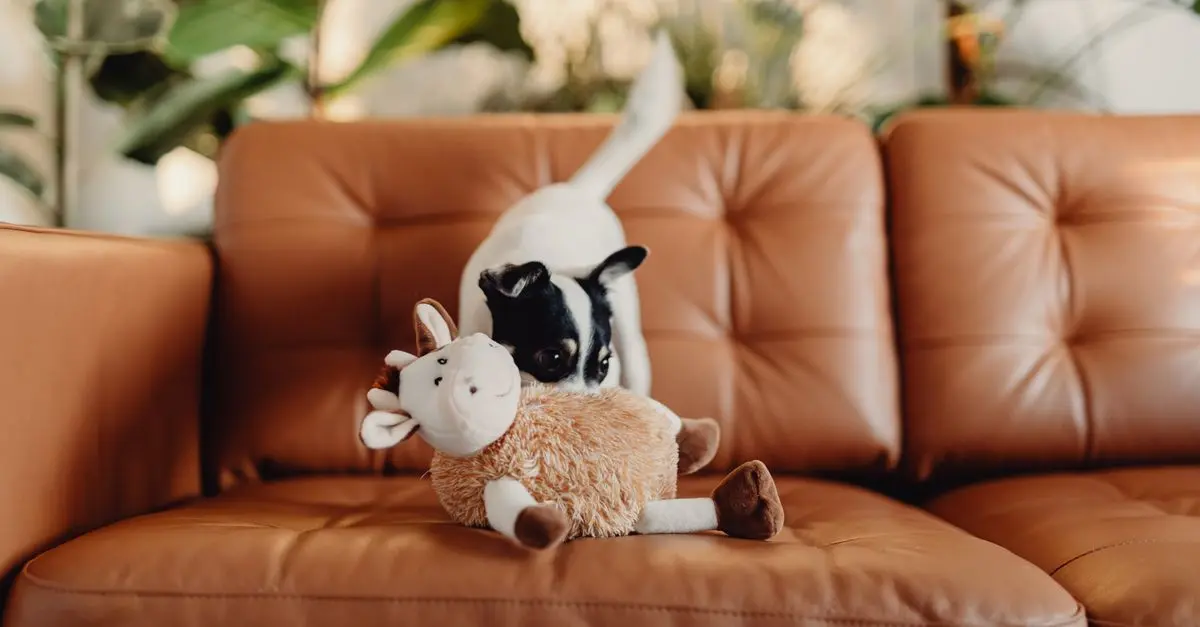
Pets are not just furry companions; they are family members who thrive on love, attention, and mental stimulation. Pet enrichment activities are essential for promoting mental health and overall well-being for your animals. Engaging them in various stimulating activities ensures they remain happy, reduce anxiety, and curb undesirable behaviors often arising from boredom.
1. Understanding Pet Enrichment Activities
So, what exactly are pet enrichment activities? These activities involve providing physical and mental stimulation designed to enhance your pet's quality of life. Why is this important? Engaged pets tend to display fewer behavioral problems and exhibit healthier stats overall. Research indicates that animals require both mental and physical stimulation — especially indoor pets, who may not have the same opportunities as their outdoor counterparts.
Different types of enrichment activities can range from interactive toys, scent trails, to complex games that involve problem-solving. According to a study by the American Kennel Club, dogs that participated in regular enrichment activities showed improved behavior and cognitive skills. Importantly, these activities can cater to the specific needs and preferences of various pets, whether they be dogs, cats, or even smaller animals like hamsters or rabbits.
2. Step-by-Step Guide: Creating an Enrichment Plan
To effectively engage your pets, it's essential to create a structured enrichment plan. Here’s a detailed step-by-step guide on how to implement this:
- Assess Their Needs: Determine what types of enrichment your pet requires. Consider age, breed, and any behavioral issues. A young, energetic dog will need more physical activities than an older cat, for example.
- Diverse Activities: Plan a variety of activities that include interactive play, environmental changes, and sensory experiences. Rotate these regularly to maintain interest.
- Set Time Daily: Dedicate specific times each day for enrichment. Whether it's a morning romp in the yard or an interactive game before bedtime, consistency is key.
- Evaluate Response: Observe your pet's reactions to different activities. Are they engaged? Do they seem bored? Adjust your enrichment plan based on their responses.
- Use The Resources Available: Leverage toys, puzzles, outdoor spaces, or even everyday household items can serve as enrichment tools — just get creative! Decorate cardboard boxes, or use scent trails with their favorite treats.
3. Fun and Engaging Activities
Now, let’s dive into some specific pet enrichment activities that will keep your furry friends entertained:
- Puzzle Toys: Interactive puzzle toys can stimulate your dog or cat's problem-solving skills and should be upgraded in complexity as they learn.
- Scent Work: For dogs especially, hiding treats around the house or garden encourages them to use their keen sense of smell. This taps into their natural instincts.
- Obstacle Courses: Set up a custom obstacle course indoors or outdoors using furniture, boxes, and hurdles. This not only helps with physical fitness but also provides mental challenges.
- Socialization: Encourage opportunities for your pets to interact with other animals and people, whether that's dog parks for dogs or playdates for cats. Social enrichment is crucial for behavioral development.
- Training and Tricks: Teach your pet new tricks using positive reinforcement methods. This keeps their minds sharp and builds a stronger bond between you and them.
4. Comparing Enrichment Methods
When considering different enrichment methods, it's essential to contrast their effectiveness. Below is a comparison of traditional play versus enrichment activities:
| Criteria | Traditional Play | Enrichment Activities | Verdict |
|---|---|---|---|
| Mental Stimulation | Limited | High | Enrichment is more beneficial |
| Physical Activity | Moderate | High | Enrichment encourages movement |
| Boredom Prevention | Low | High | Enrichment prevents boredom |
| Bonding Opportunity | Moderate | High | Greater bond with enrichment |
5. Keeping it Safe
When conducting any enrichment activities, always ensure safety is a priority. Here are some tips to avoid common pitfalls:
- Supervise: Always supervise your pets during new activities or using new toys. This precaution will help avoid accidents and provide immediate assistance if necessary.
- Size-Appropriate Toys: Make sure toys and objects are appropriate for the size and breed of your pet to avoid choking hazards.
- Positive Reinforcement: Use positive methods only; rewards should be given for engaging in desired behaviors, preventing confusion or stress.
- Monitor Stress Levels: Be aware of your pet's behavior. If they seem overwhelmed, take a step back and adjust activities to lower their stress.
Checklist for Effective Pet Enrichment
- [ ] Assess and understand your pet's needs
- [ ] Plan a variety of activities
- [ ] Dedicate time daily for activities
- [ ] Observe and evaluate pet responses
- [ ] Use household items creatively
Glossary
| Term | Definition |
|---|---|
| Enrichment Activity | Any stimulating activity designed to improve a pet's physical and mental well-being. |
| Scent Work | Engaging pets in locating hidden items or treats using their sense of smell. |
| Positive Reinforcement | Training technique where desired behaviors are rewarded to promote repetition. |
pet enrichment activities 2026.
🧠 Quiz rapide: What is the best type of enrichment activity for pets?
- A) Watching TV
- B) Interactive toys
- C) Long naps
Réponse : B — Interactive toys promote mental stimulation and keep pets engaged effectively.
📺 Pour aller plus loin : pet enrichment activities 2026 sur YouTube