Table of Contents (18 sections)
What is Pet Enrichment?
Pet enrichment refers to a variety of activities designed to improve the well-being of pets through mental stimulation, physical exercise, and social interaction. It plays a crucial role in alleviating boredom and curbing undesirable behaviors in pets, including dogs and cats. According to various studies, pets that engage in regular enrichment activities are considerably happier and display fewer behavioral issues compared to pets that do not. For example, the American Humane Society emphasizes that animal enrichment can enhance overall happiness and lead to a longer life for pets. The goal of these activities is to provide a fulfilling and engaging lifestyle that mimics some aspects of their natural habitats. The methods vary widely, from simple daily routines to complex interactive games.
Step-by-Step Guide to Pet Enrichment Activities
Creating a successful pet enrichment program involves several steps. Here’s how to do it:
Step 1: Assess Your Pet’s Needs
Begin by observing your pet's current behaviors and habits. Each pet is unique—some may require more physical exercise while others thrive on mental stimulation. Take time to note what activities they enjoy most, whether it's fetch, hiding treats, or climbing. Understanding their preferences is critical for effective enrichment.
Step 2: Create a Variety of Activities
Establish a diverse range of activities. For instance, dogs may enjoy agility training or scent games, while cats might prefer climbing structures or interactive toys. Ensuring variety keeps pets engaged and stimulated. You might consider rotating activities weekly to maintain their interest.
Step 3: Incorporate Natural Behaviors
Design activities that mimic natural behaviors—like hunting, foraging, or exploring. This helps pets fulfill their instincts. Use puzzle feeders or hide treats around the house to encourage them to search and “hunt” for food. For dogs, you might set up obstacle courses that promote jumping and weaving.
Step 4: Monitor and Adjust
As you implement these activities, watch how your pet responds. Are they excited? Bored? Adjustments might be necessary to keep things interesting. Also, keep safety in mind and remove any items that could pose a danger during playtime.
Step 5: Include Social Interaction
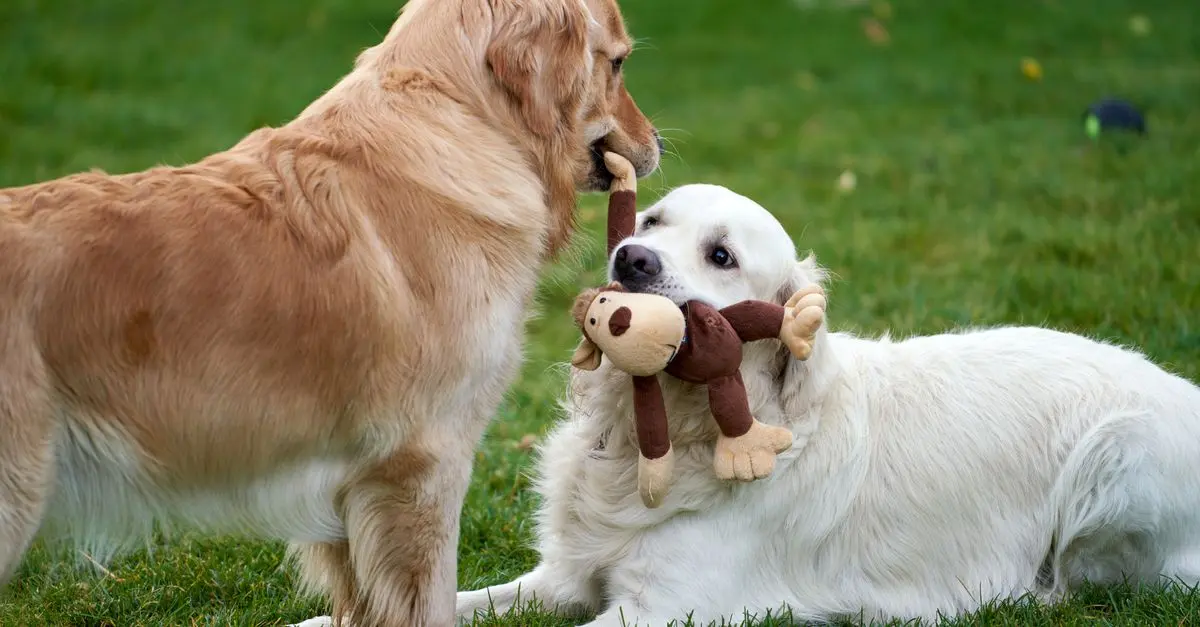
Don’t forget the importance of socialization. Arrange playdates or group activities at local parks. Social interaction enhances a pet's well-being and often reduces anxiety and depressive behaviors. Consider classes that encourage both physical exercise and social bonds among pets.
💡 Expert Tip: Regularly engage your pets in different activities to understand their evolving interests and preferences for long-term enrichment.
Comparing Different Pet Enrichment Activities
| Activity Type | Pros | Cons | Ideal For |
|---|---|---|---|
| Interactive Toys | Engages problem-solving skills; promotes exercise | Requires supervision; can be pricey | Cats and dogs |
| Physical Games | Enhances physical fitness; builds strength | Weather dependent; requires space | Dogs, especially high-energy breeds |
| Training Sessions | Strengthens bond; enhances obedience | Can be time-consuming | Dogs and puppies |
| Nature Walks | Provides fresh air; natural exploration | Not always accessible; leash control | All pets; dogs love it
Statistics on Pet Enrichment Importance
Research shows that pets who engage in daily enrichment activities are 48% less likely to exhibit destructive behaviors. An insightful study from the ASPCA found that interactive play reduces anxiety levels significantly in dogs, leading to more stable behaviors. Moreover, enhancing a pet’s environment—through enrichment—can double their overall joy levels. With the increasing focus on pet wellness, owners are also recognizing the long-term health benefits associated with adequate enrichment.
Frequently Asked Questions
What are some simple pet enrichment activities?
Simple pet enrichment activities include puzzle toys, homemade obstacle courses, and scent-training games. These activities require minimal equipment but have substantial benefits for your pet’s mental stimulation.
How often should I engage my pet in enrichment activities?
Daily engagement is ideal. Aim for 30 to 60 minutes of structured activities spread throughout the day to keep your pet active and mental healthy.
Can I use ordinary household items for pet enrichment?
Absolutely! Items such as cardboard boxes, old socks, and towels can be transformed into engaging playthings for your pet. Using familiar objects can stimulate their curiosity and interest.
What should I avoid when planning pet enrichment?
Avoid activities that may lead to anxiety or frustration in pets. Ensure the tasks are appropriate for their skill level, and never force them into uncomfortable situations.
Checklist Before Starting Pet Enrichment
- [ ] Assess your pet’s needs.
- [ ] Create a diverse range of activities.
- [ ] Include components that mimic natural behaviors.
- [ ] Monitor pet responses and adjust activities.
- [ ] Include social interaction opportunities with other pets.
📺 Resource Video
> 📺 For further exploration: Pet Enrichment: Creative Activities for Happy Pets, a detailed explanation of effective pet enrichment strategies. Search on YouTube: pet enrichment activities for dogs and cats 2026.
Glossary
| Term | Definition |
|---|---|
| Pet Enrichment | Activities designed to enhance the physical and mental well-being of pets. |
| Interactive Toys | Toys that require pets to engage in problem-solving to receive a reward, often food-related. |
| Behavioral Issues | Problems exhibited by pets, such as boredom-related destruction or anxiety due to lack of stimulation. |
---
📺 Pour aller plus loin : pet enrichment activities for dogs and cats 2026 sur YouTube