Table of Contents (16 sections)
Socialization is an essential aspect of pet training that can significantly influence your pet's behavior and relationships with other animals and humans. Proper socialization helps reduce anxiety and aggression, leading to a well-adjusted pet that can thrive in various environments. This guide will delve into effective pet socialization techniques to help you raise a friendly and well-mannered companion.
Understanding Pet Socialization
What is Pet Socialization?
Pet socialization refers to the process through which pets, particularly dogs and cats, are exposed to different environments, people, and other animals in a positive manner. It is crucial, especially during a pet’s formative months, as this period lays the groundwork for how they will react to various situations throughout their life. A well-socialized pet is less likely to exhibit fear-based behaviors like barking excessively or showing aggression.
Why is Socialization Important?
According to a study by the American Veterinary Society of Animal Behavior, socialization is critical in preventing behavioral problems later in life. Pets lacking proper socialization can develop anxieties that lead to destructive behaviors, making them difficult to manage. Hence, achieving a balance of social exposure creates a happy, confident pet. It can even lessen the likelihood of returning a pet to a shelter, as many were surrendered due to behavioral issues stemming from inadequate socialization.
Step-by-Step Techniques for Effective Socialization
1. Start Slow and Early
Socialization should start when your pet is very young. Puppies and kittens are most receptive to new experiences during their critical period of social development (approximately 3 to 14 weeks). Gradually expose your young pet to various sounds, sights, and situations at home. For example, let them encounter the vacuum cleaner from a distance, observe family members walking past, and listen to the doorbell ringing while offering treats. This will help them associate these experiences with positive outcomes.
2. Arrange Playdates with Other Animals
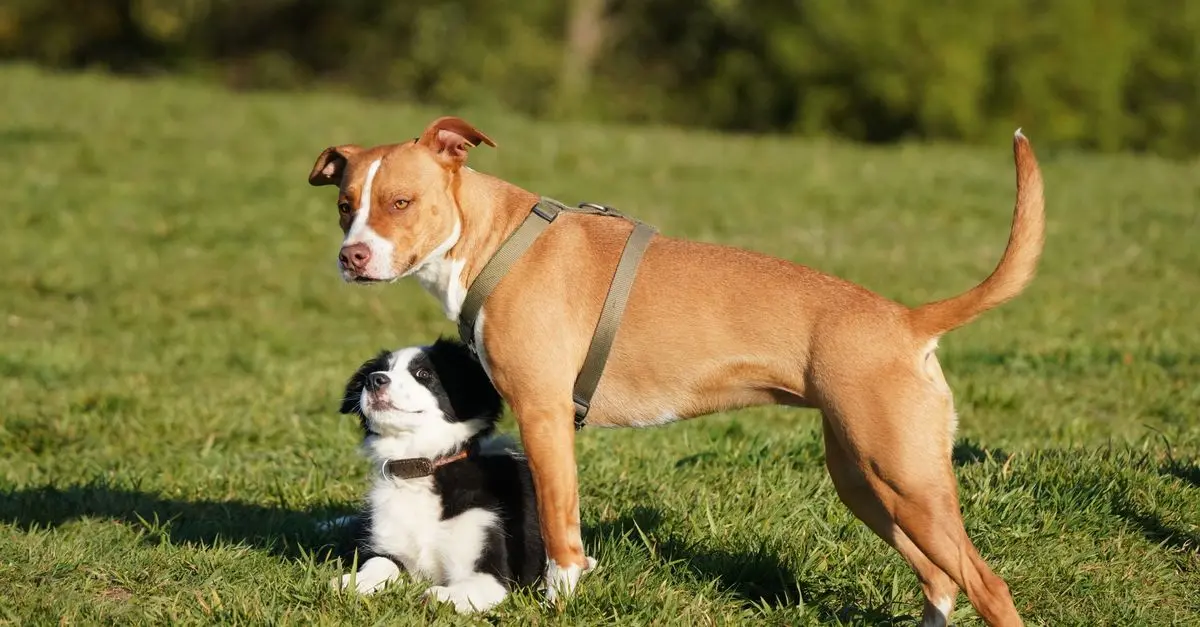
Setting up controlled playdates with other vaccinated, friendly pets allows your animal to learn social cues and appropriate play behavior. Choose neutral spaces for these encounters to minimize territorial aggression. During the playdate, monitor interactions closely and intervene if play becomes too rough. This helps both pets understand boundaries. Use toys to redirect energies if necessary, and be aware of overstimulation signs like excessive barking or hiding.
3. Enroll in Obedience Classes
Signing your pet up for obedience classes is a fantastic way to boost their social skills. Professional trainers use a structured environment to expose pets to distractions while teaching commands. This not only provides socialization opportunities but also strengthens the bond between you and your pet through shared learning experiences. Additionally, you'll learn techniques to manage distraction behaviors. Seek classes that emphasize positive reinforcement to nurture a positive learning atmosphere.
4. Organize Outdoor Adventures
Frequent outdoor trips to parks, pet-friendly cafes, and pet supply stores allow your pet to experience different sounds, people, and animals while gradually building confidence. Carry treats to reward calm behavior during these outings. Utilizing a dog-friendly harness or leash makes managing your pet easier. Always keep a watchful eye, as the sights and sounds of the outdoors can be overwhelming for some pets, leading to fearful reactions. Gradually increase exposure time based on their comfort.
5. Create Simulated Environments at Home
Not every pet takes easily to outside interactions. You can create a controlled socialization setting at home to ease them in. Play recordings of various sounds—like traffic, thunderstorms, and household appliances—while engaging them in play to desensitize them. Invite calm friends or family members to visit, allowing your pet to interact with them without overly stimulating environments. This builds confidence in recognized settings while slowly introducing new elements.
Common Mistakes to Avoid During Socialization
- Forcing Interactions: Never force a pet to interact with others if they show signs of distress; this can create more anxiety.
- Skipping Gradual Exposure: Rushing into socialization can overwhelm your pet, making them more fearful. Gradual exposure is key.
- Ignoring Signs of Stress: Pay attention to your pet’s body language. Signs of stress include tail tucking, hiding, or excessive barking.
💡 Expert Tip: Always keep treats handy during training sessions. Rewards create positive associations, enhancing the learning experience.
Checklist for Effective Pet Socialization
- [ ] Begin socialization during early developmental stages.
- [ ] Schedule playdates with other friendly pets.
- [ ] Enroll in positive reinforcement-based training classes.
- [ ] Plan outdoor adventures to introduce new environments.
- [ ] Use sound recordings to simulate varied experiences at home.
📺 Resource Video
> 📺 For further insights: Watch this detailed video on pet socialization techniques, covering methods and strategies to improve your pet's social skills. Search on YouTube: effective pet socialization techniques.
Comparative Data on Pet Behaviors
| Category | Socialized Pets | Unsocialized Pets | Notes |
|---|---|---|---|
| Fearfulness | Low | High | Socialized pets are more adaptable. |
| Aggressive Behavior | Rare | Common | Aggressive pets often lack exposure. |
| Interaction Quality | High | Low | Quality of interaction improves with socialization. |
| Adaptability | High | Low | Socialized pets cope better in new situations. |
Glossary
| Term | Definition |
|---|---|
| Socialization | The process of exposing pets to various stimuli and experiences to create a well-adjusted animal. |
| Positive Reinforcement | A training method that rewards desired behaviors to encourage repetition. |
| Desensitization | Gradually exposing a pet to a stimulus to reduce fear responses. |
{