Table of Contents (12 sections)
Table of Contents
- Understanding Pet Safety
- Pet-proofing Your Living Room
- Creating a Safe Kitchen Environment
- Bathroom Hazards: What to Watch Out For
- Securing Outdoor Areas
- Choosing Safe Toys and Products
- Emergency Preparedness for Pets
- Monitoring Pet Health and Safety
- Checklist for Pet Safety
1. Understanding Pet Safety
Ensuring pet safety at home is crucial for every pet owner. It involves creating an environment that minimizes risks and hazards for pets of all sizes and breeds. Pets often explore their surroundings out of curiosity, making it vital to understand potential dangers that lurk in common household items. According to recent surveys, over 20% of pet injuries occur at home due to unsafe environments. This stark statistic should prompt owners to proactively assess their homes.
The most common threats include toxic plants, small choking hazards, and unsafe furniture arrangements. Regularly evaluating your living space can help in identifying and mitigating these risks. Dedicating time to understanding pet safety not only protects your beloved companions but also enhances your peace of mind as an owner.
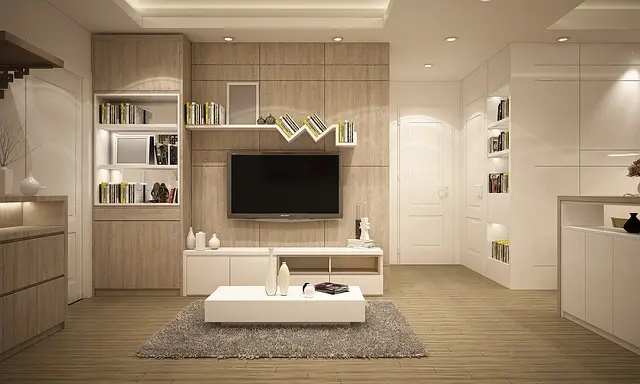
2. Pet-proofing Your Living Room
The living room, often the hub of activity, can pose several dangers to pets. Here are steps to ensure safety:
- Hide Cords and Cables: Pets can chew on electrical cords, which can lead to severe injuries or even fatalities. Use cord covers or adhesive clips to secure them against walls.
- Choose Pet-Friendly Furniture: Opt for materials that are resistant to scratches and stains. Low-profile furniture can help prevent pets from jumping off high surfaces and getting injured.
- Secure Heavy Objects: Heavy vases, books, or decorative items should be anchored down or moved to higher places to avoid tipping over when a frisky pet bumps into them.
Ultimately, room layout and furnishings should encourage safe play while minimizing hazards. According to safety experts, a thorough assessment can significantly reduce injury risks in the living space.
3. Creating a Safe Kitchen Environment
The kitchen presents unique challenges when it comes to pet safety at home. To mitigate risks, consider these suggestions:
- Store Cleaning Supplies Safely: Many kitchen cleaning agents are toxic to pets. Keep them locked away or on high shelves.
- Dispose of Waste Properly: Ensure that trash cans have secure lids to prevent pets from digging through and consuming harmful substances or food scraps.
- Be Cautious with Food: Certain human foods like chocolate, onions, and grapes are harmful to pets. Always keep them out of reach and be mindful during meal preparations.
Statistics indicate that unintentional poisoning is a significant risk; securing dangerous items is a necessary preventive measure to protect furry family members.
4. Bathroom Hazards: What to Watch Out For
The bathroom is often overlooked when considering pet safety, yet it can contain hazards for your pets:
- Lock Away Medications: Pet exposure to human medications can lead to severe consequences. Always store them in cabinets that your pets cannot access.
- Secure Tubs and Toilets: Pets are curious and may accidentally drown in bathtubs or open toilet bowls. Keep bathroom doors closed or consider using child-proof locks if necessary.
- Watch for Toxic Plants: Some plants, like pothos or lily, may cause adverse health reactions in pets. Ensure that these are removed from the bathroom area.
Ensuring your bathroom is a safe space requires a careful examination of products and items left within reach. An engaged approach can save pets from accidental harm.
5. Securing Outdoor Areas
Outdoor spaces should be pet-friendly to prevent escapes or injuries:
- Create a Secure Fenced Area: A well-maintained fence prevents pets from roaming unsupervised and keeps them safe from traffic or predators.
- Avoid Toxic Plants: Visit your local gardening center to identify plants that are safe for pets, as many common varieties can be toxic.
- Check for Pesticides: If using lawn treatments, ensure that they are pet-safe before allowing your pets outside.
Mapping out outdoor areas is essential for pet safety, as it allows for safe exploration while reducing exposure to potential dangers.
6. Choosing Safe Toys and Products
Selecting appropriate toys and products for your pets is central to their safety:
- Standardize Material: Opt for non-toxic, durable materials that can withstand your pet's play habits.
- Check for Small Parts: Avoid toys that contain small parts that can be a choking hazard.
- Read Reviews: Researching and reading user reviews on pet products can provide insights that enhance safety and functionality.
Ultimately, toy selection should take both enjoyment and safety into account. Engaging toys help keep your pets active without sacrificing their safety.
7. Emergency Preparedness for Pets
Preparing for emergencies is essential in safeguarding pets:
- Create a Pet Emergency Kit: Include food, water, and a basic first-aid kit specifically for pets. Ensure identification is up to date.
- Plan Evacuation Routes: Regularly review how to evacuate your pet in case of emergency, whether it's natural disasters or house fires.
- Provide Training: Consider enrolling in a pet first-aid course to be equipped with knowledge in case of emergencies.
Awareness and preparation can make a significant difference in ensuring your pet’s safety during crises.
8. Monitoring Pet Health and Safety
Regular monitoring contributes to maintaining safety:
- Schedule Regular Vet Visits: Ensure that vaccinations and health assessments are up to date to help prevent illness.
- Monitor Behavior: Watch for changes in behavior or appetite, indicating possible health issues. Early detection can lead to better outcomes.
- Educate Yourself: Engage in pet safety courses and workshops to enhance your knowledge and readiness as a responsible pet owner.
Being proactive about health and behavioral monitoring fosters a safer atmosphere for pets at home.
9. Checklist for Pet Safety
- [ ] Conduct a safety audit of your home
- [ ] Secure all cords and electrical outlets
- [ ] Store hazardous materials out of reach
- [ ] Designate a safe play area outdoors
- [ ] Create an emergency plan and kit
- [ ] Regularly vet checkups and vaccinations
- [ ] Choose safe toys and furniture
- [ ] Monitor your pet’s habits and health
Final Thoughts
Creating a safe haven for your pets takes dedication. Implementing these essential tips will allow your beloved pets to enjoy their home environment while staying safe from common household hazards. Don't hesitate to consult with veterinarians or pet safety experts for personalized advice and areas specific to your home.
📺 For further insights: Explore this video on pet safety measures in homes, find valuable tips on YouTube:
pet safety at home tips.