Table of Contents (15 sections)
Pet playtime activities are crucial for keeping our furry companions healthy and happy. Engaging in regular play helps dogs and cats maintain their physical and mental well-being, which contributes to a longer, happier life. In this article, we will dive into ten essential tips for creating fun and healthy playtime activities for your pets that enhance their quality of life.
1. Interactive Toys
Investing in interactive toys is a great way to stimulate your pet's mind while providing exercise. Toys that dispense treats activate a pet's problem-solving skills and encourage them to stay engaged. For example, puzzle feeders can turn mealtime into a fun game, promoting mental stimulation while ensuring they eat at a healthy pace. According to a study by PetMD, interactive toys can reduce boredom in pets and prevent destructive behaviors that arise from lack of stimulation.
2. Outdoor Adventures
Taking your pet outside is essential for their physical and mental health. Outdoor play helps pets explore new environments, which stimulates their senses. For dogs, activities like hiking, running at the park, or swimming can fulfill their natural instincts to chase and explore. Meanwhile, for cats, supervised outdoor time in a secured area can satisfy their curiosity about the outside world. You might consider using a pet harness for a safe outdoor experience.
3. Structured Playtime
Creating a routine for structured playtime can help your pet know when to expect fun. Setting aside specific times each day for play—whether it's fetch, tug-of-war, or cuddle time—can increase your pet's anticipation and enjoyment. Structured play also ensures your pet gets the exercise they need. A survey by American Kennel Club revealed that dogs who had structured playtimes adapted better to training and exhibited less anxiety.
4. Fetch Beyond the Basics
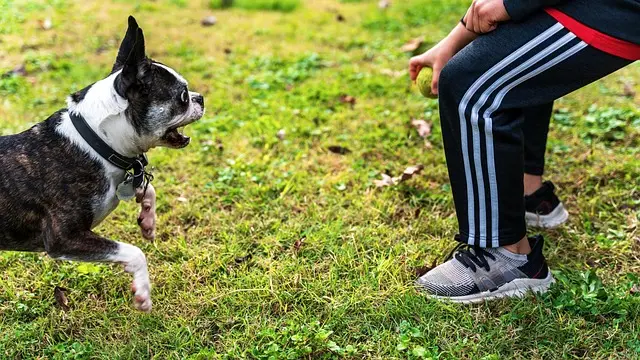
While fetch is a classic game, you can spice it up by integrating different objects. Use balls, frisbees, or even sticks that are safe for your dog's teeth. Consider varying the terrain or adding obstacles, transforming the game into an agility challenge. This variation can keep your pet excited and prevent monotony during playtime.
5. Engaging in Training Sessions
Utilizing playtime for training is both productive and rewarding. Incorporate obedience commands during fetch or hide-and-seek games; this reinforces training in a fun environment. According to the Association of Professional Dog Trainers, regular training during play helps improve behavior and strengthens the bond between pet and owner. Remember to use positive reinforcement to keep your pet motivated.
6. Sensory Play
For pets, sensory experiences can be incredibly enriching. Introduce activities that engage their senses. For dogs, activities like digging in sandboxes or playing with scented balls hidden in a backyard can create excitement and promote natural sniffing behavior. Cats enjoy exploring textures, so consider using items like crumpled paper or boxes for them to explore. Engaging the senses helps reduce anxiety and increase their happiness.
7. Social Playdates
Arranging playdates with other pets can provide socialization benefits. Social interactions are crucial for both dogs and cats as they help them learn communication skills and enjoy playmanship. Be mindful of your pet's temperament; some may thrive in a group while others prefer one-on-one settings. Overall, social playdates can help reduce behavioral issues stemming from loneliness or boredom.
8. Mental Challenges
Just like physical play, mental challenges are crucial for a pet's well-being. Incorporate games that require your pets to think. Hide treats around the house and let them find them or try scent trails to engage their olfactory senses. You can also use brain games specifically designed for pets. According to ASPCA, mentally active pets are less likely to exhibit problem behaviors at home.
9. Not Just Dogs: Fun for Cats, Too
Many pet owners focus on dogs for play activities, but cats need engagement as well. Use feather wands, laser pointers, or even DIY cat toys to pique their interest. Observe your cat's preferred play style; some may enjoy chasing while others may prefer stimulating their hunting instincts. Regular playtime can prevent obesity and improve behavior, keeping your feline in top shape.
10. Incorporating Technology
Consider utilizing modern technology in your pet's play. Automated laser pointers or remote-controlled toys can engage your pet while you’re busy. Pet-friendly video games designed for dogs are also emerging. Monitoring your pet's engagement with technology tools can help you gauge their curb of interest and keep playtime fresh and exciting.
📺 Resource Video
> 📺 For further insights: Discover creative pet playtime activities to enhance engagement. Search on YouTube: "creative pet playtime activities".
Conclusion
Providing diverse and engaging pet playtime activities is vital for your pet's mental and physical health. From interactive toys to social playdates, each activity promotes a balanced lifestyle for your furry friends. Regularly assessing your pet's interests and needs can enhance their joy during playtime.
Checklist before engaging in pet playtime activities
- [ ] Choose safe toys for your pet.
- [ ] Establish a play schedule.
- [ ] Incorporate mental challenges into play.
- [ ] Ensure a safe outdoor environment.
- [ ] Monitor your pet's health during activities.
Glossary
| Term | Definition |
|---|---|
| Interactive Toys | Toys designed to engage pets mentally and physically, often featuring puzzles. |
| Structured Play | A planned routine for playtime that provides consistency and purpose in activities. |
| Sensory Play | Activities that stimulate a pet's senses, such as touch, smell, and sight.
🧠 Quick Quiz: What type of playtime do most dogs prefer?
- A) Outdoor adventures
- B) Indoor training
- C) Playing alone
Answer: A — Dogs thrive on outdoor activities that allow them to explore and use their instincts.
📺 Pour aller plus loin : creative pet playtime activities sur YouTube