Table of Contents (15 sections)
Ensuring the wellbeing of pets is a crucial responsibility for every pet owner. Pet wellbeing encompasses various aspects including physical health, mental health, and social interaction. By adopting specific best practices, we can provide our pets with a harmonious life, prolonging their happiness and enhancing their quality of life. This article will explore ten essential best practices for ensuring pet wellbeing.
1. Balanced and Nutritious Diet
A balanced diet is foundational to maintaining your pet's health. Pets require a mix of proteins, carbohydrates, fats, vitamins, and minerals tailored to their species, age, and health needs. For instance, dogs typically thrive on high-quality commercial dog food, rich in proteins like chicken or lamb. Cats, being obligate carnivores, need diets that are protein-rich as well. It’s advisable to consult your veterinarian to determine the best nutritional plan for your pet. Did you know that 40% of pets in the U.S. are overweight or obese? A nutritious diet helps in managing their weight and prevents associated health issues like diabetes and heart disease.
2. Regular Veterinary Check-ups
Scheduling regular veterinary check-ups is pivotal for detecting health issues early. Pets, especially as they age, can develop a range of conditions, from arthritis to dental disease, that may go unnoticed. A check-up typically includes vaccinations, dental cleaning, and assessments of your pet's weight and overall health. According to the American Veterinary Medical Association, animals that receive routine preventative healthcare live significantly longer, with fewer health issues.
3. Physical Exercise and Play
Physical activity is vital for pets to maintain a healthy body weight and mental well-being. Regular exercise not only keeps your pet physically fit but also prevents behavioral problems that arise from boredom or excess energy. For example, taking a dog on daily walks or engaging cats with interactive toys can fulfill their exercise needs. The Association for Pet Obesity Prevention states that pets that are regularly exercised exhibit behavioral improvements and are generally more manageable.
4. Mental Stimulation and Enrichment
Mental health is just as important as physical health. Providing mental stimulation through interactive toys, puzzle feeders, and training can help keep your pet’s mind sharp and engaged. Activities like obedience training or teaching new tricks not only bond you and your pet but also provide valuable mental challenges for them. Research by Florida State University found that enriching a pet’s environment led to decreased signs of anxiety and cognitive decline.
5. Safe and Comfortable Living Environment
Creating a safe and comfortable living environment for your pet is essential. This includes ensuring that your home is free of hazards that could injure your pet, such as toxic plants, chemicals, or accessible high places. Additionally, pets should have a designated place to rest and feel secure, such as a cozy bed or a designated space in the house. If pets feel safe and comfortable, they're more likely to exhibit calm behavior and good health.
📺 Resource Video
> 📺 For further insights: Understanding Pet Nutrition, an informative overview of pet diets. Search on YouTube: pet wellbeing and nutrition 2026.
6. Socialization
Social interaction is important for pets to develop good behavior and reduce anxiety. Introducing your pet to different environments, people, and other animals can help them become well-adjusted. For dogs, group obedience classes are excellent ways to foster socialization. For cats, allowing them to safely observe the outdoors or interact with other cats under supervision can help as well. Studies suggest that well-socialized pets exhibit better coping strategies in unfamiliar situations.
7. Grooming and Hygiene
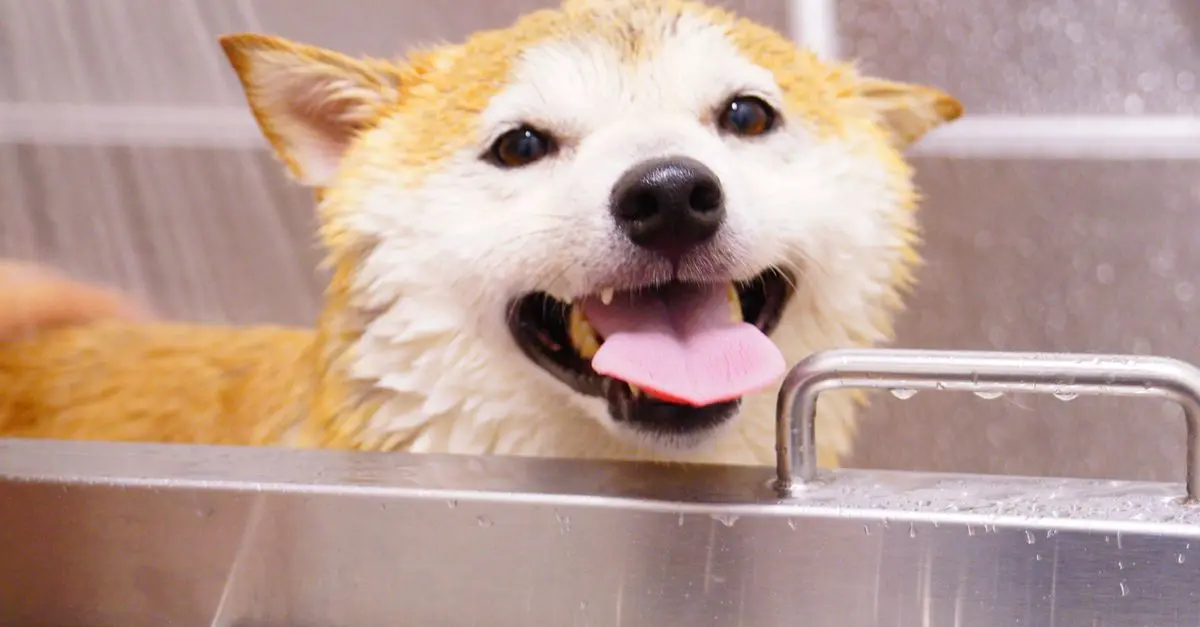
Regular grooming is not only about aesthetics but also contributes to your pet’s health. Brushing your pet helps in removing loose fur, dirt, and mats. It also offers an opportunity to check for skin abnormalities or parasites. Furthermore, regular bathing helps keep your pet’s skin healthy and reduces odors. According to the American Kennel Club, proper grooming techniques can also prevent health problems and promote early detection of conditions such as allergies or skin infections.
8. Understanding Behavior and Communication
Understanding your pet’s body language and behavior is paramount in nurturing a positive relationship. Learning how they communicate can help owners discern their pet’s feelings, whether they are anxious, happy, or unwell. For example, a dog wagging its tail usually indicates happiness, while a cat that arches its back may be feeling threatened. Proper understanding can prevent negative encounters and foster a healthier bond between owner and pet.
9. Regular Dental Care
Oral health is often overlooked, yet it plays a major role in overall health. Regular dental cleanings by a vet, coupled with at-home dental care such as brushing your pet's teeth, can prevent diseases that affect the heart and kidneys. The American Animal Hospital Association emphasizes that dental disease is the most common health issue in pets, affecting over 80% of dogs and cats by age three. It's crucial to prioritize dental hygiene just as much as dietary health.
10. Activity Monitoring
Using modern technology, like fitness trackers for pets, can help keep tabs on your pet’s activities. These devices offer insights into how much your pet moves throughout the day. Keeping a watch on their activity levels can help in adjusting their exercise regimen accordingly and alert you to any health concerns early.
Conclusion
Maintaining your pet's wellbeing cannot be overstated. By following these ten best practices, you can substantially enhance your pet’s quality of life. Remember to always consult professionals for tailored advice regarding your pet’s health and wellbeing.
Checklist before Adoption
- [ ] Ensure a safe living environment
- [ ] Schedule regular vet check-ups
- [ ] Plan a balanced diet
- [ ] Provide physical exercise activities
- [ ] Include mental stimulation in daily routines
- [ ] Foster social interactions
- [ ] Maintain grooming routines
- [ ] Monitor dental health
- [ ] Use activity trackers if necessary
Glossary
| Term | Definition |
|---|---|
| Pet Wellbeing | The overall health and happiness of a pet, including physical, mental, and emotional health. |
| Socialization | The process of exposing pets to various social settings to improve their behavior and adaptability. |
| Nutrition | Nutritional requirements tailored to a pet’s specific needs based on species, age, and health conditions. |
> 🧠 Quick Quiz: What is the primary benefit of regular vet check-ups?
> - A) It makes pets more social
> - B) It helps detect health issues early
> - C) It makes them more energetic
> Answer: B — Regular check-ups can identify health problems before they become serious.
📺 Pour aller plus loin : pet wellbeing and nutrition tips 2026 sur YouTube